
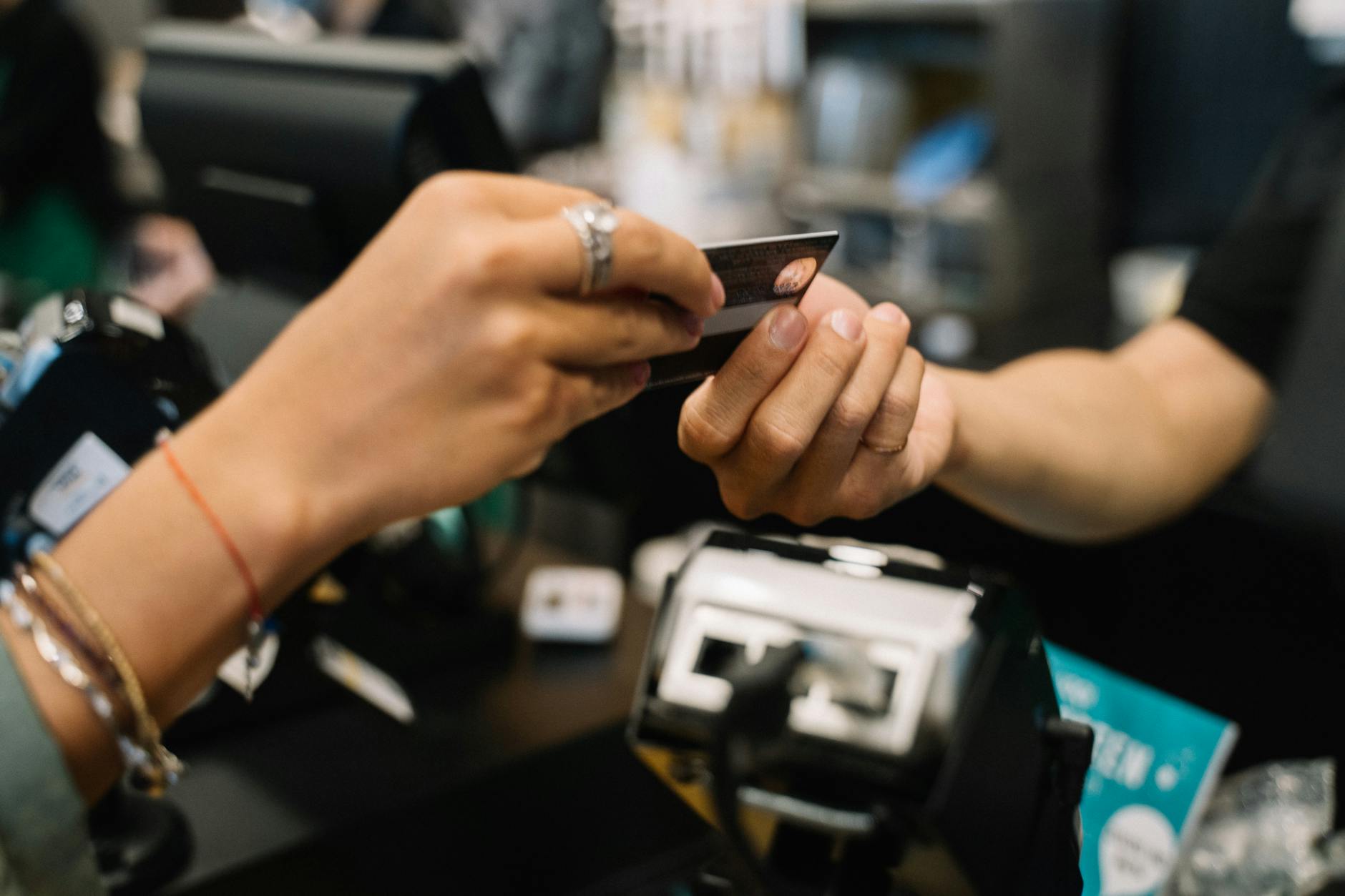
Debit or Credit? When to Use Each Card
Debit and credit cards might look the same, but they work very differently—and choosing the right one for each situation can protect your money and even save you some.
How They Work
Debit cards pull money directly from your checking account. You spend what you have—no borrowing involved.
Credit cards let you borrow money from the card issuer. You receive a bill at the end of each billing cycle and can pay it in full or over time (with interest).
When to Use Your Credit Card
- Online purchases: Credit cards offer stronger fraud protection. If your card number is stolen, you're typically not liable for unauthorized charges.
- Large purchases: Many credit cards offer purchase protection, extended warranties, and dispute resolution.
- Travel and hotels: Rental car companies and hotels often place holds that can tie up your checking balance if you use debit. Credit cards handle this more smoothly.
- Building credit: Regular use (paid in full) builds your credit history.
When to Use Your Debit Card
- Everyday purchases: Groceries, gas, and daily expenses. Spending from your actual balance helps you stay on budget.
- ATM withdrawals: Use your debit card at your credit union's ATMs to avoid cash advance fees that credit cards charge.
- When you're working on spending discipline: Because debit draws from your real balance, it provides a natural spending limit.
The Bottom Line
The best approach is using both strategically: credit cards for protection and rewards (paid in full monthly), and debit for budgeted everyday spending. The worst approach is using credit cards to spend more than you can afford to repay.
BrightStar Credit Union offers both Visa credit cards and debit cards with competitive features. Talk to us about which options best fit your financial goals.